SANZO JOURNAL · PVD 离子镀与水电镀的差别、镀层颜色(金/玫瑰金/虹彩)、食品接触合规边界
PVD Coating on Glass: The Metallic Finish Buyers Actually Trust
4 min read

Metal Born in a Vacuum
Colorways, Compliance, and Practical Limits
Color is the most emotional part of any buying decision — yet it demands the most rational grounding. PVD ion plating offers a broad palette, but three colorways have proven especially reliable in overseas markets:
- Gold: Titanium-based target material produces a rich, grounded tone ideal for classic hospitality lines and hotel tableware. Note that the coating should avoid direct contact with acidic foods.
- Rose Gold: A composite target of titanium with silicon or chrome yields a soft, pink-leaning hue that has been steadily gaining traction across North American and Middle Eastern home collections.
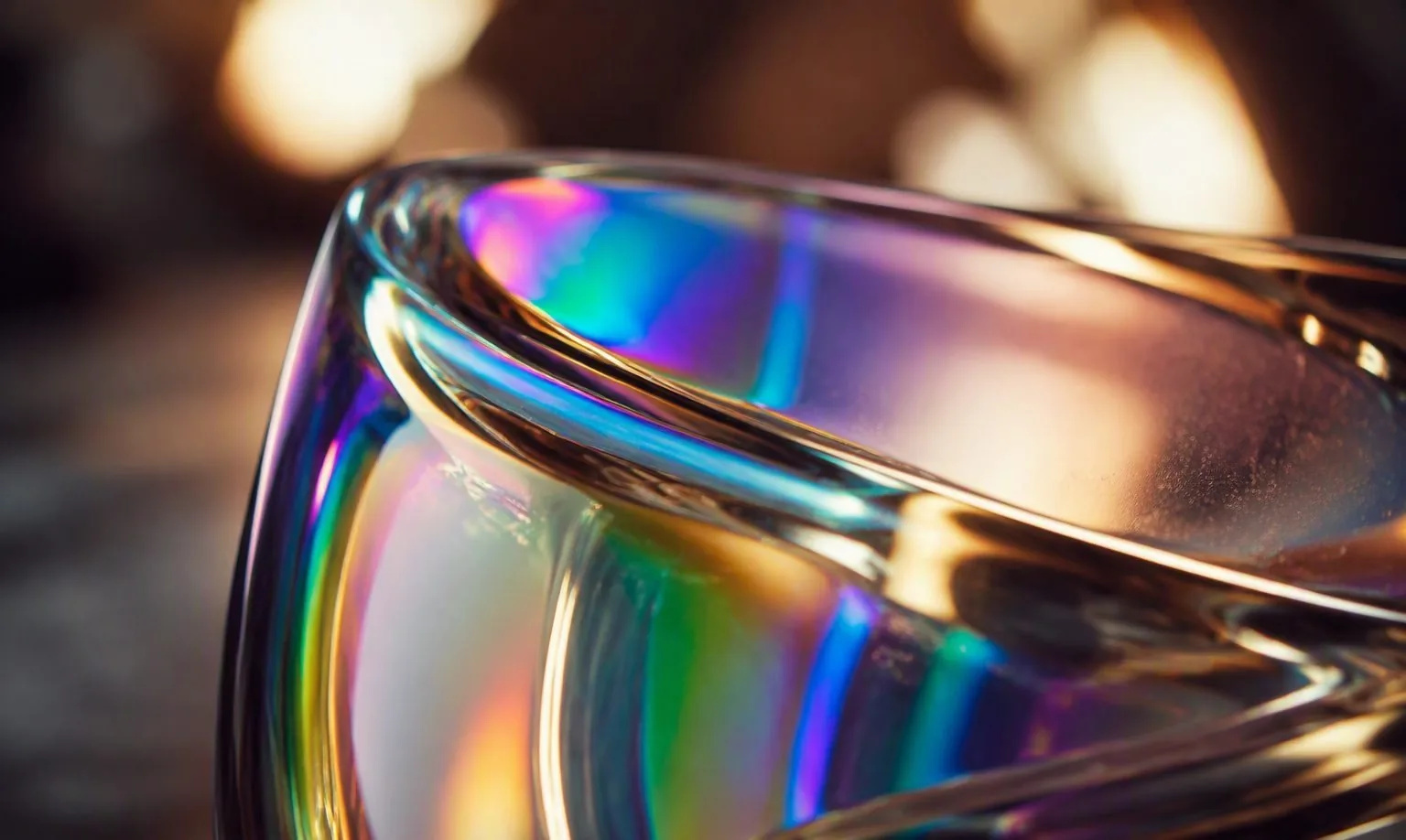
- Iridescence: Precise multi-layer thickness tuning creates shifting purple, blue, and green tones depending on viewing angle — a favorite for decorative vessels and limited-edition collaborations.
Food-contact compliance is another non-negotiable checkpoint. PVD itself is a dry-process technology, and the resulting coating is chemically stable — but whether the finished piece meets FDA, LFGB, or GB 4806 standards depends on coating thickness, sealing treatment, and how much surface area actually contacts food. Our rule of thumb: keep the coating on the outer wall above the rim, the stem, or a decorative band; avoid prolonged exposure to acidic liquids; and retain third-party test reports for every production colorway. That documentation is the first thing brand buyers ask for at reorder time.
Fifteen Years In, Still Doing the Same Thing
In Qixian, Shanxi — the heartland of hand-blown glass manufacturing — SanzoHome has spent fifteen years building a team of 156 artisans and a complete in-house finishing chain: kiln firing, cutting, frosting, PVD coating, screen printing, and laser etching. That means a single tumbler can go from blowpipe to coated finish, from prototype to pre-shipment inspection, all under one roof. Fifteen years of exporting to 30-plus countries has also taught us something essential: the value of craft isn't in showing off — it's in translating a brand's design intent into something stable, compliant, and reliably repeatable. Being a thoughtful supplier means running three extra color swatches in the tinting room and thinking one step ahead on compliance paperwork.
Bring Us Your Questions
PVD coating isn't a cure-all. It has its limits — and its sweet spots. If you're weighing decisions for next season's lineup — gold or rose gold? Where on the vessel is the safest placement for the coating? How do you keep color variance in check on small-batch samples? — bring those questions to us. Over a cup of tea, we'll talk through every detail that goes into getting one glass right.
PVD coated glasswareion plating glassrose gold glassiridescent glassFDA food-contact glasswarecustom glass finishingvacuum metallized glassSanzoHome
Reading this far means you choose suppliers carefully
Tell Xiaozhuo what you have in mind — a few sentences are enough; we handle the rest.
Start a smart inquiry