SANZO JOURNAL · 2026-08-28
How to Choose Wine Glasses: Shape Meets Wine
5 min read
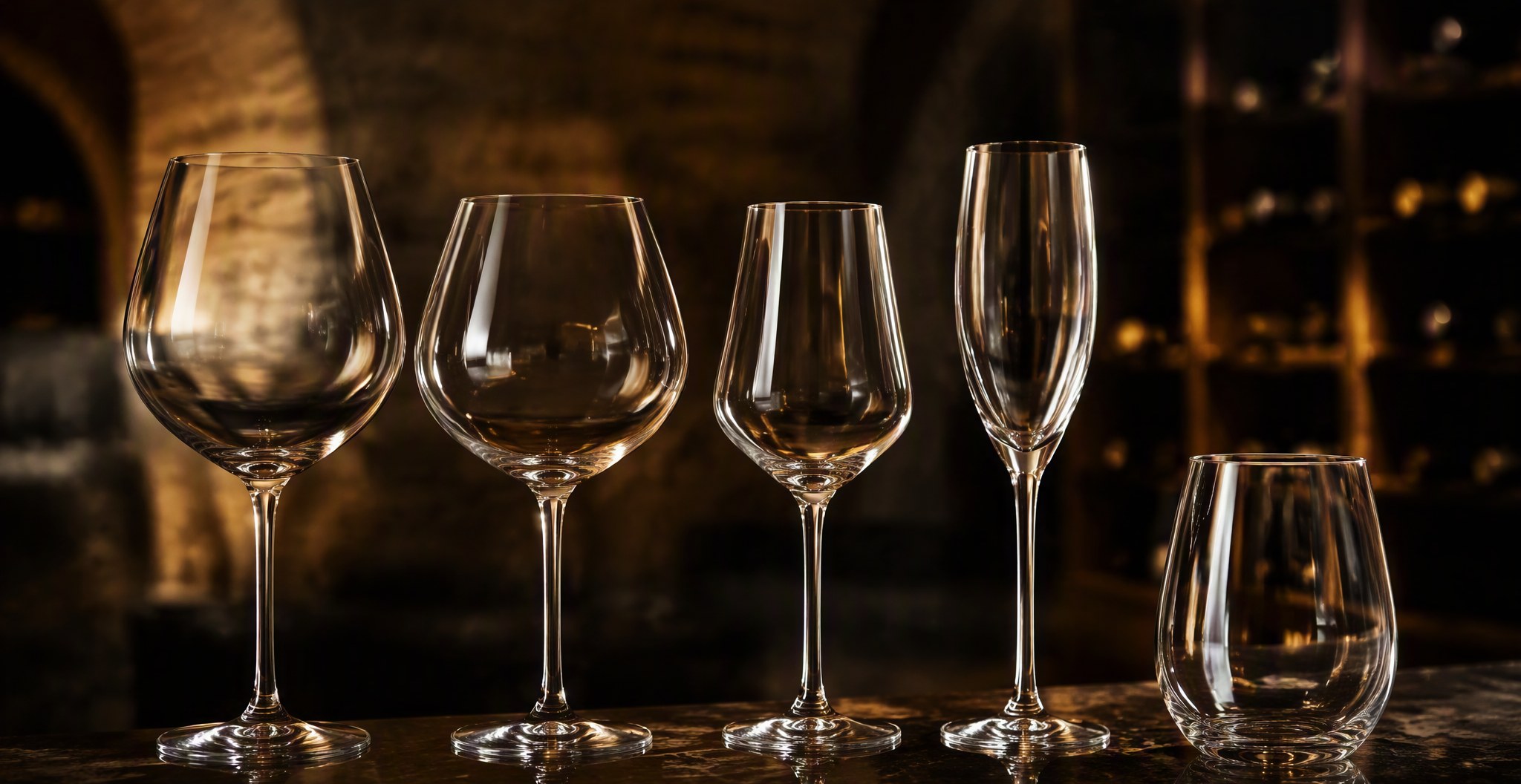
Pour the same wine into four different glasses and it tells four different stories. Shape is not an aesthetic game; it is the acoustics of a liquid.
The bowl: a living room for aroma
The wider the bowl, the larger the surface where wine meets air. A tannic Cabernet wants a spacious bowl to wake up slowly; a delicate Pinot Noir prefers a tulip shape that gathers aroma and never lets the party end.
The rim: where the wine lands
A narrow rim locks the aroma in and delivers it to the nose; an open rim lets the wine fall straight onto the sweet zone of the tongue. When a brand chooses a shape, the real question is: in the first second of this glass, what do you want your guest to taste?
Wall and stem: temperature and dignity
A mouth-blown wall can go thinner than one millimetre — the lip-feel almost disappears, and only the wine remains. The stem’s length decides whether the warmth of a hand will disturb the wine. Machine-made glasses can be cheap; they cannot achieve this state of "nothing between".
Advice for brand buyers
- Wineries: work backwards from your flagship wine — one glass is a user manual.
- Hotels: a universal shape plus one signature glass balances turnover and memorability.
- Gift sets: shapes work in pairs — a red and a white, or a glass and its decanter.
In our workshop in Qixian the artisans like to say: the glass is the translator of the wine. You know how good the translation is from the very first sip.
Reading this far means you choose suppliers carefully
Tell Xiaozhuo what you have in mind — a few sentences are enough; we handle the rest.
Start a smart inquiry